Fast delivery within 72 Hours
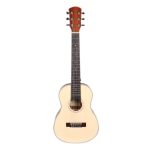
UK-GA0 Keysan Ukulele – 24″ – Sandy Brown
৳ 4,900.00
120 in stock
- Product Type: Ukulele
- Brand: Labu Flutes
- Country of Origin: China
- Body Material: Spruce
- Neck Material: Manhogany
- Fingerboard Material: Rosewood
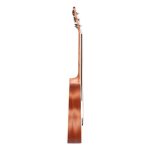
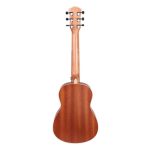
- Back / Side Material: Sapele
- Size: 36 Inch
- Top: Spruce
- Headmachine: Die-cast
- Finish: Matt
- Binding: Black ABS
- Back and Side: Sapele
120 in stock
🚚 Shipping Information
- ✅ Cash on Delivery Available all over Bangladesh
- ✅ Inside Dhaka City: 70 TK – 500 TK (depending on product size & dimension)
- ✅ Outside Dhaka: 90 TK – 300 TK
- ✅ Next Day Delivery: Extra charge depending on product

Description
About Mandolin
A mandolin (Italian: mandolino pronounced [mandoˈliːno]; literally “small mandola”) is a stringed musical instrument in the lute family and is usually plucked with a plectrum or “pick”. It commonly has four courses of doubled metal strings tuned in unison (8 strings), although five (10 strings) and six (12 strings) course versions also exist. The courses are normally tuned in a succession of perfect fifths. It is the soprano member of a family that includes the mandola, octave mandolin, mandocello and mandobass.
There are many styles of mandolin, but three are common, the Neapolitan or round-backed mandolin, the carved-top mandolin and the flat-backed mandolin. The round-back has a deep bottom, constructed of strips of wood, glued together into a bowl. The carved-top or arch-top mandolin has a much shallower, arched back, and an arched top—both carved out of wood. The flat-backed mandolin uses thin sheets of wood for the body, braced on the inside for strength in a similar manner to a guitar. Each style of an instrument has its own sound quality and is associated with particular forms of music. Neapolitan mandolins feature prominently in European classical music and traditional music. Carved-top instruments are common in American folk music and bluegrass music. Flat-backed instruments are commonly used in Irish, British and Brazilian folk music. Some modern Brazilian instruments feature an extra fifth course tuned a fifth lower than the standard fourth course.